
How To Ensuring Quality in Steel Structure Building
2024-05-23
Introduction
In the ever-evolving landscape of construction,
steel structure buildings stand out as a testament to engineering prowess and
architectural innovation. These structures, known for their durability,
flexibility, and efficiency, dominate skylines around the world, from towering
skyscrapers to expansive industrial complexes. However, the backbone of these
modern marvels is not just the steel itself but the rigorous quality assurance
processes that underpin their design, manufacturing, and assembly. This guide
delves deep into the world of steel structure building manufacturing, shedding
light on the meticulous standards, regulations, and practices that
manufacturers adhere to ensure the highest quality. By exploring everything
from the basic understanding of steel structures to the advanced technologies
shaping their future, this pillar post aims to provide a comprehensive overview
of how quality is the cornerstone of every steel structure that graces our
urban landscapes. Join us as we navigate through the critical aspects of
quality assurance in the steel structure building industry, offering insights
and advice that are vital for manufacturers, industry professionals, and
clients alike.
Section 1: Understanding Steel Structure
Building
At the heart of modern construction, steel
structure buildings are more than just architectural feats; they are the
embodiment of engineering efficiency and versatility. But what exactly are
steel structure buildings, and why have they become so pivotal in contemporary
construction projects?
Definition and Types of Steel Structure
Buildings**
A steel structure building is essentially
any structure that has its load-carrying framework made entirely out of steel.
Unlike traditional buildings that rely on concrete or wood as primary
materials, steel buildings are designed to withstand heavy loads, resist
natural disasters, and last for decades with minimal maintenance. These
structures can be classified into several types based on their construction
designs and uses:
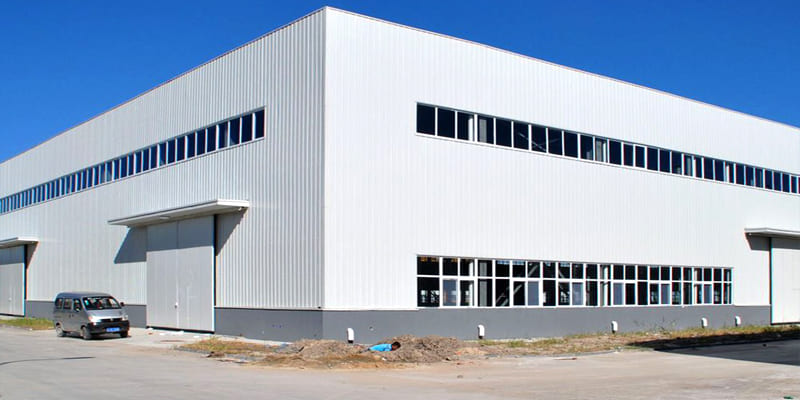
- **Industrial Buildings:** Factories,
warehouses, and workshops where durability and open spaces are essential.
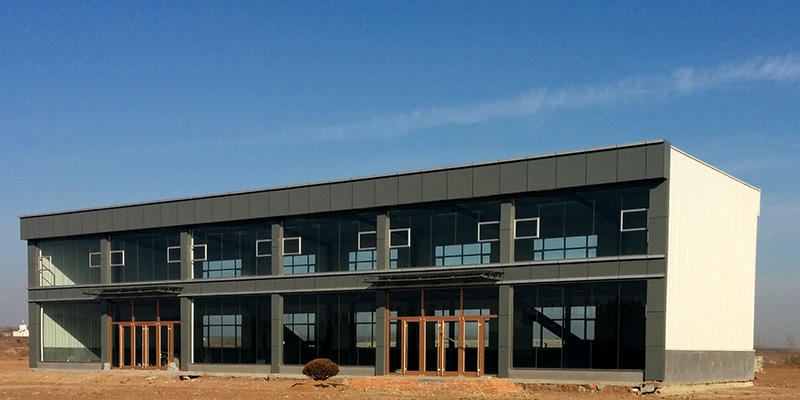
- **Commercial Buildings:** Office
buildings, shopping malls, and retail stores that require flexibility in design
and efficiency in construction.
- **Residential Buildings:** High-rise
apartments and housing complexes utilizing steel for its strength and
longevity.
- **Institutional Buildings:** Schools,
hospitals, and government buildings where safety and reliability are paramount.
- **Specialized Structures:** Airports,
stadiums, and bridges that demand unique architectural and engineering
considerations.
**Advantages of Steel Structure Buildings**
The shift towards steel structure buildings
is not without reason. The advantages they offer make them an irresistible
choice for various construction needs:
- **Durability and Strength:** Steel
provides exceptional strength-to-weight ratio, making it capable of supporting
heavy loads and resisting environmental stresses like winds, earthquakes, and
snow.
- **Flexibility and Adaptability:** The
inherent flexibility of steel allows for innovative designs and easy
modifications to suit changing needs or expansions.
- **Speed of Construction:** Steel
components are prefabricated off-site and simply assembled on-site,
significantly reducing construction time compared to traditional methods.
- **Sustainability:** Steel is recyclable
without loss of quality, making it an environmentally friendly option for
construction. Moreover, steel buildings are energy-efficient, further
contributing to their green credentials.
- **Cost-Effectiveness:** Despite the
upfront costs, the longevity, low maintenance, and energy efficiency of steel
buildings often translate into cost savings over the building's lifecycle.
**Common Applications and Examples**
Steel structure buildings are not a
one-size-fits-all solution; they are incredibly versatile, catering to a wide range
of applications:
- **Industrial applications** include
massive warehouses and factories where clear spans are needed without internal
columns.
- **Commercial uses** are seen in sleek,
modern office buildings and commercial centers.
- **Residential structures** benefit from
the strength and flexibility of steel in high-rise buildings.
- **Institutional projects** leverage steel
for its ability to meet strict safety standards.
- **Specialized constructions** showcase
the material's capability to create spaces that would otherwise be impossible
with traditional materials, such as the vast spans of stadium roofs or the
intricate designs of modern bridges.
In conclusion, understanding steel
structure buildings is to appreciate the blend of art and science that goes
into their creation. Their widespread application across various sectors is a
testament to their integral role in shaping our built environment, making
quality assurance in their construction not just beneficial but essential.
**Section 2: Standards and Regulations
for Quality Assurance**
In the realm of steel structure building,
ensuring the highest quality is not just a matter of pride for manufacturers
but a stringent requirement enforced through a variety of international and
national standards and regulations. These guidelines serve as the bedrock upon
which the integrity, safety, and longevity of steel structures are built.
Understanding these standards is crucial for manufacturers aiming to not only
meet but exceed the expectations of quality in their projects.
**Overview of International and National
Standards**
The quality assurance process in steel
structure manufacturing is governed by a complex web of standards that ensure
every component's strength, durability, and reliability. Key among these are:
- **ISO (International Organization for
Standardization):** ISO standards, such as ISO 9001 for quality management
systems, provide a framework for consistent quality in manufacturing processes,
from design to delivery.
- **ASTM International (formerly American
Society for Testing and Materials):** ASTM standards cover various aspects of
material properties, testing procedures, and the specification of steel
products, ensuring they meet designated criteria for quality and performance.
- **EN (European Norms):** In Europe, EN
standards specify requirements for the fabrication and assembly of steel
structures, focusing on ensuring structural integrity and safety.
**Specific Regulations Pertaining to Steel
Structure Manufacturing**
Beyond broad quality management and
material standards, there are specific regulations that apply directly to steel
structure manufacturing. These include:
- **Building Codes:** National and local
building codes dictate specific requirements for the design and construction of
steel buildings, including load-bearing capacities, fire resistance, and
seismic performance.
- **Environmental Regulations:**
Manufacturers must also adhere to environmental regulations concerning their
production processes, focusing on reducing emissions and ensuring sustainable
practices.
**Role of Certifications in Ensuring
Quality**
Certifications play a pivotal role in the
quality assurance landscape, acting as a badge of compliance and excellence for
manufacturers:
- **Quality Management System
Certifications:** Certifications like ISO 9001 demonstrate a manufacturer's
commitment to maintaining high standards throughout their operations, from
procurement to final inspection.
- **Product Certifications:**
Certifications specific to steel products, such as CE marking in Europe,
indicate that the products meet essential health, safety, and environmental
protection requirements.
- **Industry-Specific Certifications:**
Certain sectors may require additional certifications, ensuring manufacturers
meet the unique demands of specialized projects, such as those in high-risk
areas or requiring advanced architectural designs.
The tapestry of standards, regulations, and
certifications creates a comprehensive framework for quality assurance in steel
structure manufacturing. This system ensures that every steel building stands
as a testament to durability, safety, and excellence. By adhering to these
rigorous guidelines, manufacturers not only uphold their reputation for quality
but also contribute to advancing the overall standard of construction within
the industry.
**Section 3: The Manufacturing Process**
The manufacturing of steel structure
buildings is a meticulously orchestrated process that spans from the initial
conceptualization to the final assembly. This journey involves numerous steps,
each critical to ensuring the end product meets the highest standards of
quality. Below, we explore this process in detail, highlighting the key phases
where rigorous quality control measures are indispensable.
**Material Selection and Sourcing**
The foundation of any high-quality steel
structure is the material itself. Manufacturers begin with the selection of
steel that meets specific strength, durability, and flexibility requirements.
This involves:
- Choosing steel grades that are
appropriate for the building's design and environmental challenges it will
face, such as corrosion resistance for coastal areas.
- Sourcing from reputable suppliers who
adhere to the highest standards for steel production, ensuring the raw
materials have undergone rigorous testing and certification.
**Design Considerations and Engineering
Standards**
Once the materials are selected, the focus
shifts to design and engineering, where the theoretical becomes tangible. This
stage is characterized by:
- Utilizing advanced software for 3D
modeling and structural analysis, allowing for the optimization of the design
for both performance and cost.
- Adhering to engineering standards and
building codes to ensure the structure's safety, efficiency, and compliance
with legal requirements.
**Cutting, Shaping, and Assembling Steel
Components**
With the design set, the manufacturing
process moves to the cutting, shaping, and assembling of steel components.
Precision and accuracy are paramount here, as is the implementation of quality
control measures:
- Cutting and shaping steel components with
state-of-the-art machinery to achieve precise dimensions and tolerances.
- Assembling components, often beginning in
a factory setting, where conditions are controlled to ensure perfect alignment
and integrity of the welds and connections.
**Protective Treatments and Coatings for
Durability**
To enhance the longevity and durability of
steel structures, protective treatments and coatings are applied:
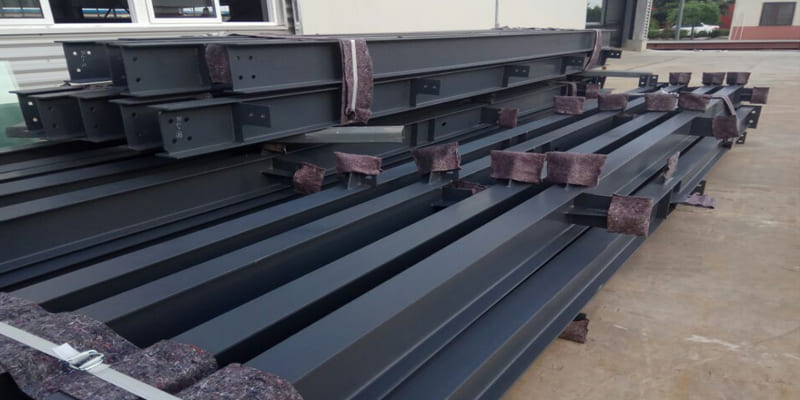
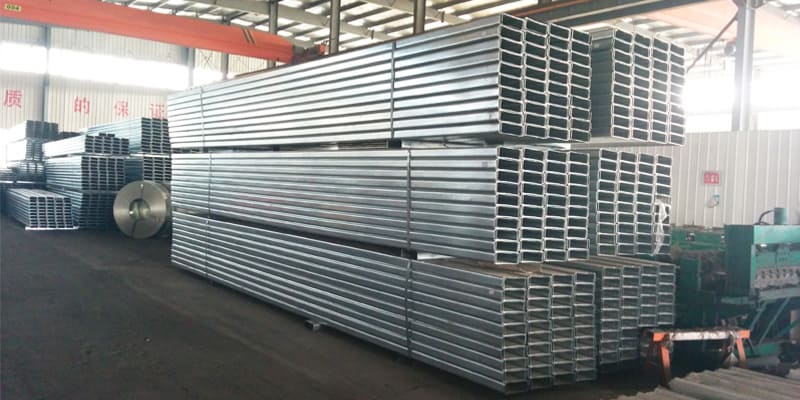
- Galvanization, painting, or applying
epoxy coatings to protect against rust, corrosion, and environmental damage.
- Quality control checks to ensure even
application and adherence to specifications for thickness and durability.
**Quality Control Measures at Each Stage**
Integral to the manufacturing process are
the quality control measures that ensure each component and ultimately, the
final structure, meets or exceeds the required standards:
- Material testing to verify the steel's
properties, such as tensile strength and corrosion resistance.
- Inspection of components post-cutting and
shaping to ensure they match the design specifications.
- Continuous monitoring and testing during
assembly to check the quality of welds, bolted connections, and overall
structural integrity.
- Final inspections and certifications
before the structure is deemed ready for shipping or on-site assembly.
The manufacturing process for steel
structure buildings is an intricate dance of precision engineering, meticulous
quality control, and adherence to stringent standards. By rigorously following
these steps, manufacturers can guarantee the production of steel structures
that are not only aesthetically pleasing but also structurally sound, durable,
and compliant with all relevant regulations and standards.
**Section 4: Quality Control and
Assurance Practices**
Quality control (QC) and quality assurance
(QA) practices form the backbone of the steel structure building manufacturing
process, ensuring that every phase, from design to delivery, adheres to the
highest standards. These practices are critical in minimizing risks, preventing
defects, and guaranteeing the safety and durability of the constructed
buildings. Here's a closer look at how these practices are implemented within
the industry.
**Introduction to Quality Control (QC) and
Quality Assurance (QA) in Steel Manufacturing**
- **Quality Control (QC):** QC refers to
the operational techniques and activities used to fulfill requirements for
quality. In steel structure manufacturing, this includes the inspection and
testing of materials, processes, and the final product to detect and correct
discrepancies.
- **Quality Assurance (QA):** QA, on the
other hand, encompasses the planned and systematic activities implemented
within the quality system. QA practices ensure that the final product will meet
or exceed customer expectations, primarily through the development and
implementation of effective processes.
**In-depth Look at QA/QC Measures**
- **Material Testing:** Before any steel is
used in construction, it undergoes rigorous testing for tensile strength,
corrosion resistance, and other critical properties. This ensures that only
materials meeting the required standards are used.
- **Welding Quality and Techniques:**
Welding is a critical aspect of steel structure manufacturing, requiring
skilled technicians and stringent oversight. Inspections and tests, such as
x-ray or ultrasonic testing, are performed to ensure welds meet the necessary
strength and quality specifications.
- **Dimensional Accuracy and Tolerance
Checks:** Precision in cutting and assembling steel components is vital for the
structural integrity of the building. Manufacturers employ various measuring
and scanning technologies to ensure components match design specifications
within acceptable tolerances.
- **Non-destructive Testing Methods
(NDT):** NDT methods are used extensively to evaluate the properties of a
material, component, or system without causing damage. Techniques such as
magnetic particle inspection, ultrasonic testing, and radiographic testing play
a crucial role in identifying defects that could compromise the structure's
integrity.
**Case Studies of QA/QC in Action**
Illustrating the impact of robust QA/QC
measures, several case studies highlight how these practices have been pivotal
in ensuring the success and longevity of steel structure projects. These case
studies demonstrate the correction of potential failures before they become
issues, the adaptation of processes to meet unique project requirements, and
the innovation in testing and inspection techniques to elevate quality
standards.
The meticulous application of QA/QC
practices in steel structure manufacturing is not just about adhering to
standards and regulations; it's about building trust with clients, ensuring the
safety of end-users, and contributing to the creation of structures that stand
the test of time. Through constant evaluation, innovation, and dedication to
quality, manufacturers continue to push the boundaries of what's possible in
steel construction, ensuring that they deliver not just buildings, but legacies
of excellence.
**Section 5: Innovations and
Technologies in Quality Assurance**
The landscape of quality assurance in steel
structure manufacturing is continuously evolving, driven by innovations and
advancements in technology. These developments are not just enhancing the
efficiency and accuracy of quality control processes but are also setting new
standards for what is achievable in the construction of steel structures. Let's
explore some of the most impactful innovations and technologies currently
shaping quality assurance in the industry.
**Current and Emerging Technologies
Enhancing QA in Steel Structure Manufacturing**
- **3D Modeling and Simulation:** The use
of 3D modeling software and simulation technologies has revolutionized the
planning and design stages of steel structure manufacturing. These tools allow
for the virtual testing of structural designs under various conditions,
identifying potential issues before physical construction begins. This
predictive approach to quality assurance significantly reduces the risk of
structural failures and design flaws.
- **Automation and Robotics in
Manufacturing:** Automation technologies and robotics are increasingly being
integrated into the manufacturing process, from cutting and welding to the
assembly of steel components. These technologies not only improve precision and
consistency in the manufacturing process but also minimize human error,
ensuring each component meets strict quality standards.
- **Advanced Materials and Coatings:**
Innovations in materials science have led to the development of advanced steel
alloys and protective coatings that offer superior strength, durability, and
resistance to environmental factors. These advancements ensure that steel
structures can withstand harsh conditions for longer periods, contributing to
their overall quality and longevity.
- **Laser Scanning and Digital
Inspection:** Laser scanning and digital inspection technologies provide a
non-invasive means of assessing the quality of steel components and structures
with high precision. These methods allow for the rapid detection of imperfections,
dimensional inaccuracies, and potential weaknesses, enabling timely corrective
actions.
**Future Trends in Quality Assurance and
Control**
The future of quality assurance in steel
structure manufacturing is likely to be characterized by even greater
integration of digital technologies and data analytics. Trends to watch
include:
- **Predictive Maintenance:** Leveraging
data analytics and IoT (Internet of Things) sensors to predict maintenance
needs and prevent failures before they occur, thereby extending the lifespan of
steel structures.
- **AI and Machine Learning:** The
application of artificial intelligence (AI) and machine learning algorithms in
analyzing data from the manufacturing process and quality checks, enabling the
prediction of quality issues and the automation of quality control decisions.
- **Blockchain for Traceability:**
Utilizing blockchain technology to create immutable records of materials,
processes, and quality checks, enhancing transparency and traceability
throughout the supply chain.
These innovations and technologies are
playing a crucial role in driving forward the quality assurance processes in
steel structure manufacturing. By embracing these advancements, manufacturers
are not only able to meet the current standards of quality and safety but are
also setting new benchmarks for excellence in the construction industry.
**Section 6: Choosing a Quality Steel
Structure Building Manufacturer**
Selecting the right steel structure
building manufacturer is a decision that holds significant implications for the
success of your project. Quality, reliability, and adherence to standards are
non-negotiable traits that your chosen manufacturer must possess. This section
outlines the critical factors to consider when vetting potential manufacturers,
ensuring that you partner with a firm that can deliver to your expectations and
beyond.
**Factors to Consider When Selecting a
Manufacturer**
- **Certifications and Standards
Compliance:** Look for manufacturers that have earned certifications relevant
to the steel structure industry, such as ISO 9001 for quality management
systems. Compliance with international and national standards (e.g., ASTM, EN)
is a testament to their commitment to quality.
- **Track Record and Portfolio of Completed
Projects:** Evaluate the manufacturer’s history and examine their portfolio. A
diverse and successful track record in projects similar to yours is a strong
indicator of their capability and experience.
- **Customer Reviews and Testimonials:**
Seek out feedback from previous clients to gauge their satisfaction levels with
the manufacturer's quality, reliability, and service. Testimonials can provide
insights into the working relationship you can expect.
- **Financial Stability:** A financially
stable manufacturer is more likely to complete your project on time and within
budget. Financial health can also reflect their ability to invest in quality
materials, skilled personnel, and advanced technologies.
- **Quality Control and Assurance
Practices:** Understanding the manufacturer’s approach to quality control and
assurance is crucial. Inquire about their QC/QA processes, including material
testing, welding quality, and final inspections.
**Tips for Due Diligence and Vetting
Potential Manufacturers**
- **Visit the Manufacturing Facility:** If
possible, visit the manufacturer's facility to observe their operations
firsthand. This visit can provide valuable insights into their processes,
technologies, and the expertise of their team.
- **Verify Certifications and Compliance:**
Don’t just take their word for it; ask for proof of certifications and
standards compliance. This verification ensures their claims are backed by
official accreditation bodies.
- **Request References:** Ask for
references from past clients, particularly those who had projects similar to
yours. Follow up with these references to ask about their experiences working
with the manufacturer.
- **Evaluate Communication and Customer
Service:** The quality of communication and customer service during the vetting
process can be indicative of the manufacturer's reliability and attentiveness
to client needs throughout the project.
Choosing the right steel structure building
manufacturer is a pivotal step that directly impacts the quality, durability,
and success of your project. By carefully considering these factors and
conducting thorough due diligence, you can establish a partnership with a
manufacturer that not only meets but exceeds your quality expectations. This
decision not only ensures the structural integrity of your project but also its
long-term value and performance.
**Section 7: The Role of Maintenance and
Inspection Post-Construction**
Once a steel structure building is
completed, the focus shifts from construction to ensuring its longevity and
maintaining its integrity through systematic maintenance and inspection. While
steel structures are renowned for their durability and minimal maintenance
requirements, regular inspections and proactive maintenance play a pivotal role
in preserving their condition and functionality over time. This section
explores the essential practices and considerations in the post-construction
phase to uphold the quality and safety of steel structures.
**Importance of Regular Inspections and
Maintenance**
- **Early Detection of Issues:** Regular
inspections help in identifying potential problems, such as corrosion, wear and
tear, or structural fatigue, at an early stage. Early detection allows for
timely interventions, preventing minor issues from escalating into significant
problems that could compromise the structure's safety and integrity.
- **Extended Lifespan:** Proactive
maintenance and repairs extend the lifespan of steel structures by addressing
the effects of aging and environmental exposure. Regular upkeep ensures that
the structure continues to meet or exceed its intended service life.
- **Safety Assurance:** Continuous
monitoring and maintenance are crucial for ensuring the safety of occupants and
the public. Inspections help verify that the structure remains in compliance
with safety standards and regulations, reducing the risk of accidents or
failures.
**Common Issues to Look for During
Inspections**
- **Corrosion and Material Degradation:**
Inspect for signs of rust and corrosion, especially in areas exposed to
moisture or corrosive environments. Check for any deterioration in protective
coatings or sealants.
- **Structural Damage:** Look for
indications of structural damage, including cracks, bending, or deformations in
steel components. Pay particular attention to load-bearing elements and
connections.
- **Water Damage:** Examine the structure
for water infiltration, which can cause damage to non-steel components and
potentially lead to corrosion if not adequately addressed.
- **Foundation and Anchorage Issues:**
Ensure that the foundation remains stable and that anchor bolts and other
connections to the foundation are secure and undamaged.
**Maintenance Tips for Steel Structure
Owners**
- **Routine Cleaning:** Regular cleaning of
steel surfaces helps prevent the accumulation of dirt and debris that can
retain moisture and contribute to corrosion.
- **Protective Coatings Maintenance:**
Periodically inspect and maintain protective coatings and paint systems to
ensure their continued effectiveness in guarding against corrosion and
environmental damage.
- **Immediate Repairs:** Address any
identified issues promptly to prevent further deterioration. This includes
repairing or replacing damaged components, reapplying protective coatings, and
sealing any leaks.
- **Record Keeping:** Maintain detailed
records of inspections, maintenance activities, and repairs. This documentation
is valuable for monitoring the structure's condition over time and can be
critical for warranty purposes and regulatory compliance.
In conclusion, the post-construction phase
is crucial for preserving the quality, safety, and longevity of steel structure
buildings. Through regular inspections and diligent maintenance, owners and
managers can ensure that these structures continue to serve their intended
purposes effectively, maintaining their aesthetic appeal and structural
integrity for years to come.
**Conclusion**
As we conclude this comprehensive guide on
ensuring quality in steel structure buildings, it's clear that the journey from
conceptualization to post-construction maintenance is intricate and demands
unwavering attention to detail. Quality assurance is not merely a phase in the
manufacturing process but a continuous commitment that spans the lifecycle of a
steel structure. It encompasses rigorous standards, innovative technologies,
and a proactive approach to maintenance and inspection.
The importance of selecting a reputable and
experienced manufacturer cannot be overstated. The right partnership can
significantly influence the success of a project, ensuring that the final
structure not only meets but exceeds the highest standards of quality, safety,
and durability. This guide has outlined the critical factors and practices that
define such quality in the industry, from the adherence to international
standards and regulations to the adoption of cutting-edge technologies and
materials.
Moreover, the role of regular inspections
and maintenance in extending the lifespan of steel structures highlights the
ongoing responsibility of owners and managers to safeguard their investments
and ensure the safety of all occupants. By understanding and implementing the
principles discussed, stakeholders across the construction industry can
contribute to the legacy of steel structures that stand as testaments to human
ingenuity and engineering excellence.
In embracing these practices, we not only
uphold the standards of quality within the industry but also push the
boundaries of what is possible, paving the way for future innovations in steel
structure manufacturing. The journey towards excellence in steel construction
is ongoing, and by prioritizing quality at every turn, we ensure that our
structures will endure, inspire, and serve generations to come.
Have questions?
Please feel free to submit your inquiry information to us !
Navigation
Products
Materials
Address: Lixianzhuang Industrial Park, Shangma Street, Chengyang District, Qingdao, Shandong, China.
Copyright © Qingdao Showhoo Steel Structure Co., Ltd. All Rights Reserved.鲁ICP备2021014770号